
The UK’s aerospace and defence sectors rely on precision, traceability, and consistent performance at every stage of production. For engineering and procurement teams, the challenge is not simply sourcing components. It is ensuring those components perform reliably within complex, high-spec systems where failure carries significant operational and financial consequences. In practice, disruption rarely stems from a single failure. It develops through everyday supply chain weaknesses:
- Variation in component quality between batches
- Limited visibility across materials and processes
- Delays introduced by disconnected suppliers
These issues often remain hidden until production is under pressure, when they are most difficult and costly to resolve. This is where UK precision engineering becomes essential. It extends beyond machining. It is about delivering production-ready solutions that support performance, continuity, and supply chain control. Bryden Precision Engineering operates as a single manufacturing partner, supporting customers from early design input through to production, assembly, and delivery. This approach creates clear accountability across the process and removes unnecessary complexity from the supply chain.
Why Precision Engineering Matters in Aerospace and Defence
Aerospace and defence components must meet exact specifications and perform consistently in demanding environments. This requires:
- Tight tolerances with repeatable accuracy
- Verified material and process traceability
- Delivery aligned to programme schedules
Precision engineering enables this level of control. For most organisations, the priority is confidence in output. Every part must meet the same standard, every time, without deviation. Without that consistency, issues emerge late in production, increasing cost and affecting delivery commitments.
What Is Driving Demand for Precision Engineering in the UK Aerospace Sector?
The UK remains a key hub for aerospace and defence manufacturing, particularly across the North-West, Midlands, and South-East. As programmes increase in complexity, expectations of the supply chain are rising. Buyers are focusing on:
- Reliable output across production runs
- Reduced supplier networks
- Better coordination between manufacturing stages
This shift is increasing demand for precision engineering aerospace partners who can deliver integrated solutions rather than isolated processes. In many programmes, fewer supplier handoffs directly improve delivery predictability and reduce variation between batches.
Precision Machining for Defence Systems
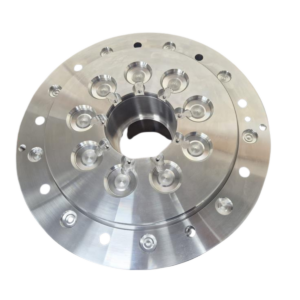
In precision machining for defence systems, performance depends on consistency across every component. These parts operate within tightly integrated systems where even minor variation can affect overall functionality. Key requirements include:
- Controlled and repeatable production processes
- Full traceability across materials and batches
- Stability across long-term supply
Maintaining this level of control is essential for sustaining system performance throughout the lifecycle of a programme.
Managing Supply Chain Complexity
Coordinating multiple suppliers across different manufacturing stages introduces avoidable challenges. Common issues include:
- Delays between processes
- Increased coordination effort
- Misalignment between production stages
When these issues occur, they often impact downstream operations. An integrated manufacturing approach simplifies this. Working with a partner that manages machining, finishing, assembly, and supply creates:
- Clear ownership across the process
- More effective communication
- Greater alignment with production schedules
This improves overall control and supports consistent delivery.
Supporting Aerospace Engineering Components in the UK
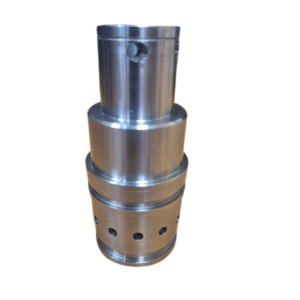
Producing aerospace engineering components in the UK requires precision alongside scalability. Typical requirements include:
- Complex geometries
- Specialist materials
- Transition from prototype to production
Without early engineering input, designs can introduce inefficiencies that affect manufacturability and cost. An engineering-led approach ensures components are optimised for production from the outset, enabling smoother scale-up and improved efficiency.
What to Look for in a UK Precision Engineering Partner
Selecting the right partner is a strategic decision.
Supplier Checklist
- Engineering support during design stages
- Capability across multiple manufacturing processes
- Defined traceability and process control
- Consistent delivery performance
- Supply solutions, including stock holding and call-off
These factors directly influence production stability and long-term performance.
From Design Support Through to Production and Delivery
Moving from design to full production requires coordination across multiple stages. Manufacturers increasingly prioritise partners who can provide:
- Early-stage engineering input
- Precision machining
- Integrated finishing and assembly
- Delivery aligned to production schedules
Bryden Precision Engineering supports this through a coordinated manufacturing model, combining machining with assembly, finishing, and managed supply. This creates a single, accountable structure across the process.
Strengthening Aerospace and Defence Supply Chains Through Precision Engineering
Precision engineering supports the reliability and continuity required in aerospace and defence manufacturing. As supply chain expectations increase, integrated manufacturing models provide greater control over production outcomes. Aligning design, manufacturing, and supply enables organisations to maintain performance while adapting to programme demands. Bryden Precision Engineering delivers this through a structured approach focused on consistency, coordination, and dependable output.
Building Confidence into Aerospace and Defence Supply Chains
Gain clarity on manufacturability, supply requirements, and delivery expectations before committing to production by talking to us today. To request a quote, arrange an engineering review, or discuss a requirement, browse our website.
FAQs
What is UK precision engineering?
Precision engineering in the UK refers to the manufacture of high-accuracy components using controlled processes to meet strict tolerances.
Why is precision engineering important in aerospace and defence?
These sectors require components that perform consistently in demanding environments, making accuracy and traceability essential.
What is precision machining for defence systems?
It involves producing controlled components for defence applications, where reliability and repeatability are critical.
What are aerospace engineering components?
These are precision-manufactured parts used in aircraft and related systems, often involving complex geometries and strict tolerances.
How can manufacturers reduce supply chain risk?
By simplifying supplier structures and working with partners who can manage multiple stages of manufacturing and supply.
What is an end-to-end manufacturing partner?
A partner that supports projects from design through to production and delivery, improving coordination across the process.
What are call-off and stock holding options?
Solutions where components are produced, stored, and released in line with production demand.
What should I look for in a precision engineering supplier?
Consistency, traceability, engineering support, and the ability to manage supply requirements effectively.
